Do you find yourself trying to locate content concerning What Do I Do If My AC Pipe Is Frozen?
Introduction
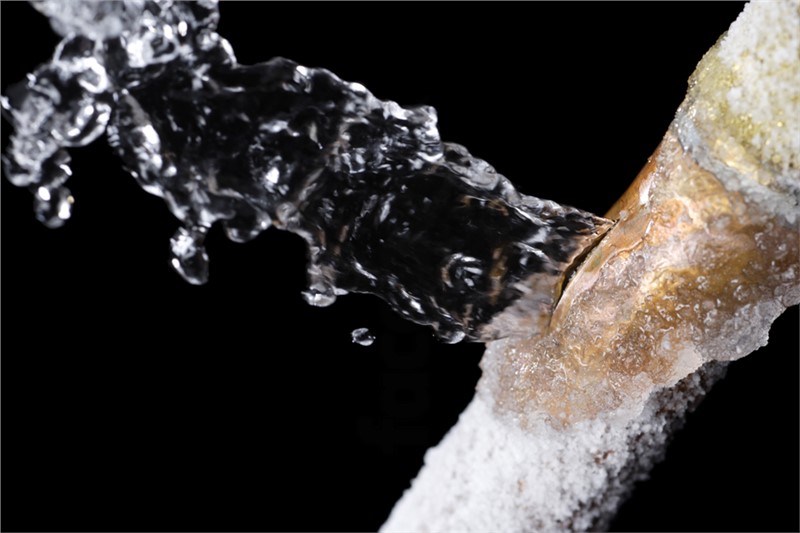
Uncovering that your air conditioning pipeline is frozen can be worrying, particularly during warm summertime when you rely upon your ac system the most. Understanding what to do in such a situation is crucial to prevent more damages to your cooling system and ensure your convenience inside your home.
Understanding the Causes
Numerous aspects can contribute to the freezing of an air conditioner pipe. Understanding these reasons can assist you address the problem efficiently.
Lack of Airflow
One usual root cause of a frozen a/c pipe is inadequate air flow. When the airflow over the evaporator coil is limited, it can cause the coil to drop below freezing temperature level, resulting in ice development on the pipeline.
Reduced Refrigerant Levels
Inadequate cooling agent degrees in your air conditioning system can likewise cause a frozen pipe. Reduced cooling agent levels can trigger the pressure in the system to go down, causing the freezing of moisture on the evaporator coil.
Winter Conditions
In cooler environments, freezing temperatures outside can contribute to the freezing of air conditioning pipelines. If your a/c device is not properly insulated or if there are leaks in the ductwork, cool air can penetrate the system, causing the pipeline to ice up.
Dirty Air Filters
Unclean or clogged up air filters can limit air flow in your a/c system, causing different issues, including a frozen pipe. It's essential to change or cleanse your air filters routinely to ensure correct air movement and avoid ice buildup.
Indicators of a Frozen Air Conditioner Pipe
Identifying the signs of an icy air conditioning pipe is vital for prompt activity.
Decreased Airflow
If you see a considerable decline in air flow from your vents, it can suggest an icy pipe.
Ice Buildup on the Pipe
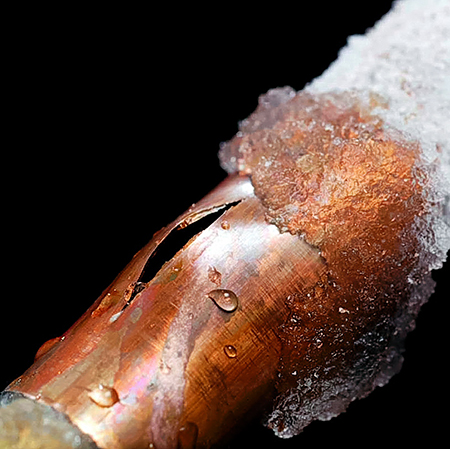
Noticeable ice build-up on the refrigerant line or the evaporator coil is a clear sign of an icy air conditioning pipeline.
Weird Sounds from the Unit
Unusual noises, such as hissing or gurgling, coming from your air conditioning device can signify that there's ice present on the pipe.
Immediate Actions to Take
When faced with an icy air conditioner pipeline, it's essential to act rapidly to avoid more damage to your cooling system.
Turning off the air conditioning
The initial step is to shut off your a/c to stop the system from running and worsening the problem.
Checking for Blockages
Examine the area around the indoor system for any blockages that might be blocking airflow, such as furnishings or drapes.
Thawing the Pipe
You can make use of mild methods like placing towels taken in warm water around the icy pipeline to help thaw it gradually.
Safety nets
Taking preventive measures can aid prevent future events of a frozen AC pipeline.
When DIY Methods Fail
If your attempts to thaw the pipeline or address other problems are unsuccessful, it's time to employ a professional.
Relevance of Hiring a Professional HVAC Technician
A licensed HVAC professional has the competence and devices required to identify and fix issues with your a/c system securely and effectively.
Routine Maintenance Checks
Arrange routine upkeep checks with a professional HVAC service technician to make certain that your air conditioner system is running efficiently.
Changing Air Filters
Routinely replace or clean your air filters to avoid air flow constraints and keep optimum efficiency.
Shielding Exposed Pipes
If your a/c pipelines are subjected to chilly temperatures, consider shielding them to stop cold during cold weather.
Looking For Professional Help
If DIY techniques fail to settle the concern or if you're uncertain about just how to proceed, it's best to look for support from a certified HVAC technician.
Verdict
Handling an icy a/c pipe can be a discouraging experience, but recognizing exactly how to react can aid decrease damages and bring back comfort to your home. By understanding the reasons, acknowledging the indications, and taking prompt activity, you can successfully resolve the concern and protect against future events.
What to Do If Your AC Line Is Frozen
Make Sure All Supply and Return Air Vents Are Open
If you notice problems with airflow, the first thing you should do is check your supply and return vents. Supply vents distribute clean, conditioned air throughout your home. As this air becomes stale, it’s pulled into the return vent, where it’s reconditioned before being sent back out through the supply vent.
When these vents are closed, air won’t flow in the home. Before examining your AC, check the vents in every room and ensure they’re all open.
Check for a Dirty Air Filter
Another possible cause of limited airflow is a dirty air filter. Your air conditioner’s filters catch elements you don’t want to breathe in, such as dirt and dust. Over time, filters can become clogged, ultimately blocking air from flowing in and out. The lack of airflow can then cause the entire coil to freeze and will completely restrict any air from moving through it. The AC may need to be powered off for one to two days to allow the coil to thaw after replacing the filter to allow proper functioning of the unit. This debris can also accumulate on your AC’s evaporator coil, requiring a more serious repair. In general, air filters should be cleaned regularly (about every two weeks).
Assess Your Outdoor Unit
In addition to checking your AC, assessing the outdoor unit is a good idea. Also known as the condensing unit, it works with your interior unit to release heat outside. An issue with the outdoor unit can result in rising internal temperatures.
Overgrown Shrubs or Clogged Leaves
From leaves and twigs to shrubs and debris, there’s no shortage of outdoor elements that can accumulate around your condensing unit. When these elements get lodged inside the unit, they can block airflow. Fortunately, removing the blockage can solve the problem.
Sounds of a Broken Fan
Shrubs and leaves aren’t the only things that can impede your outdoor unit’s airflow. If the fan is broken, the unit won’t be able to properly get rid of heat — which means the internal temperature won’t go down. First, make sure the fan is spinning. If it is, check for the following sounds of a broken fan:
Buzzing Rattling Screeching Hissing Clicking Preventative Measures
Nobody wants to deal with a frozen AC line. In addition to causing problems with your air conditioner, they require professional repairs. On the bright side, there are preventative measures you can take to help ensure this issue doesn’t arise in the first place.
https://www.coopergreenteam.com/blog/what-to-do-if-ac-line-frozen
As a fervent reader about How can I fix an air conditioner’s frozen pipe?, I imagined sharing that piece of content was essential. Feel free to take the opportunity to promote this page if you enjoyed it. Thanks a lot for taking the time to read it.
Visit My Web Page